


PATIENT GUIDE
Your implant journey, step by step.
Start with the question on your mind. Let's look at what to expect, your treatment options and the next steps together.

01

Dental Implant Treatment: A Guide to the Process, Technology and Care
Dental implant treatment is a complete process in which careful planning, the right implant and regular care all play a part. This guide covers the main questions people ask, from the first stage of treatment to caring for the implant afterwards.
Explore the guide
02

PURE TECH Advantages
Get to know the technology behind MODE Implant's manufacturing, built on three principles: PURE TITANIUM, PURE WATER and PURE SURFACE.
Explore the guide
03

Treatment options by missing teeth
Start understanding the options for a single missing tooth, a bridge or a full arch of missing teeth.
Explore the guide
04

Everything You Need to Know About the Dental Implant Process
Answers to the questions people most often ask about having dental implants.
Explore the guideDownload Center
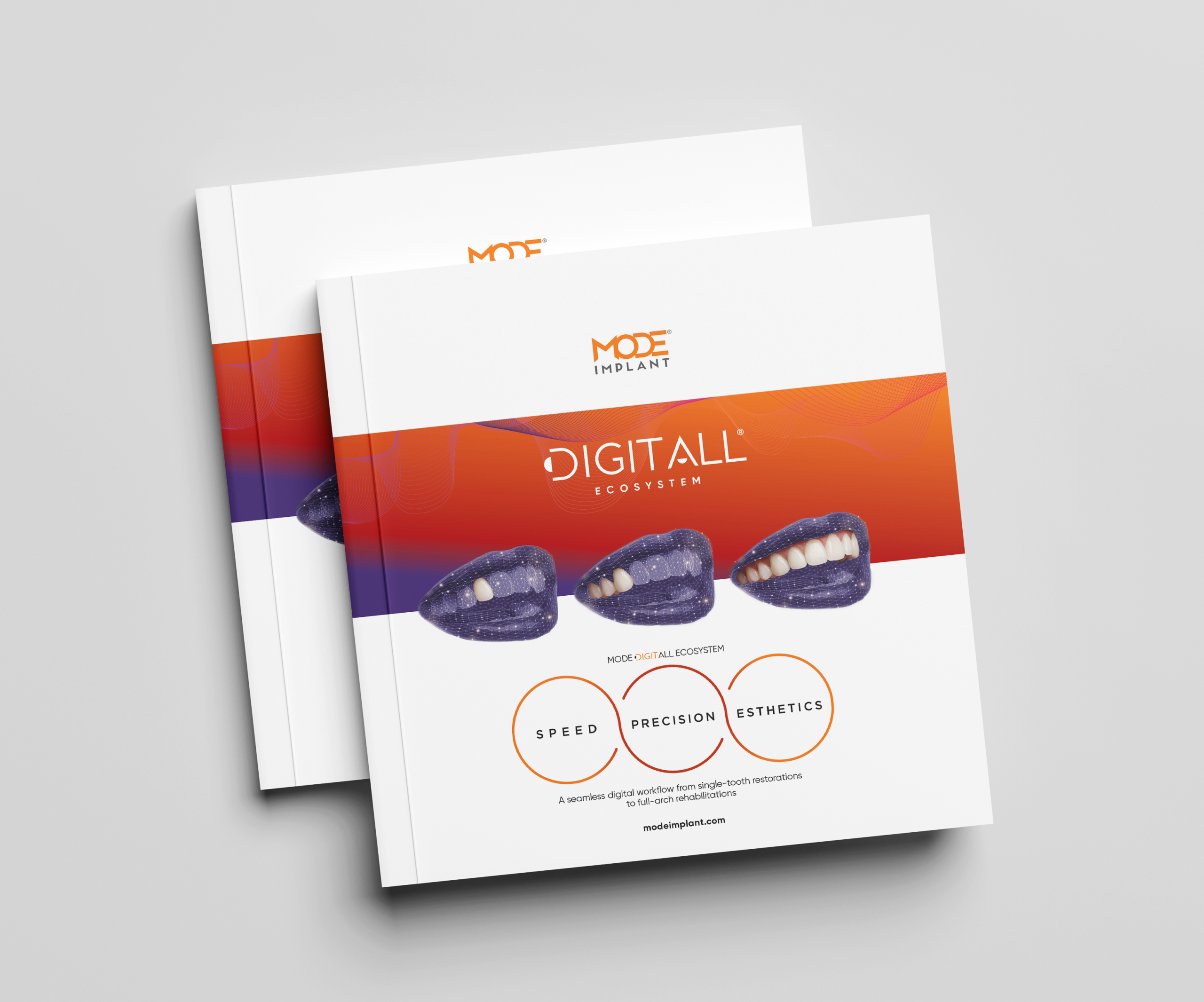
DIGITALL® Ecosystem
Explore MODE Implant’s DIGITALL® ecosystem, including Ti-Base, Multi-Unit, Reverse Scanbody and full-arch digital workflow solutions for modern implant dentistry.
1 May 2026
MODE IMPLANT-Digitall® Ecosystem-Brosur-ENG
(12.24 MB)

Main Catalog – Compact Version
A concise compact-version catalog presenting MODE Implant’s key implant systems, prosthetic components and essential product portfolio.
14 February 2026
Main-Catalog-Compact-Version.pdf
(8.53 MB)
Why Mode?
Customer Focus
Built on confidence, care and proven implant solutions.
1 / 10
Built on confidence, care and proven implant solutions.
1 / 10Frequently Asked Questions
A dental implant is a small artificial tooth root placed in the jawbone to support a crown, bridge or denture.
Patients who have one or more missing teeth and have suitable bone structure may benefit from implant treatment.
Not always. Your dentist will evaluate your oral health, bone condition and medical history before recommending treatment.
Yes. Implant-supported restorations are designed to match the shape, color and appearance of your natural teeth.
With proper care, regular dental visits and good oral hygiene, dental implants can provide a long-term solution.
The process starts with a consultation, oral examination and treatment planning based on your individual needs.
The procedure is usually performed under local anesthesia, and most patients experience only manageable discomfort afterward.
Treatment time can vary depending on the patient, bone condition and healing process.
The implant needs time to integrate with the jawbone before the final restoration is attached.
In many cases, temporary solutions can be provided to maintain appearance and comfort during the healing period.
Yes. Dental implants can help restore chewing strength and make eating more comfortable.
Replacing missing teeth with implants may help improve speech clarity and confidence.
Yes. Implant restorations are designed to support a natural-looking and confident smile.
Once healed, implants are designed to feel stable and natural in daily life.
Yes. Replacing missing teeth can help support bite balance and prevent certain oral health problems.
Dental implants should be brushed and cleaned regularly, just like natural teeth.
Yes. Regular check-ups help monitor your implants, gums and overall oral health.
Although implant treatment has a high success rate, factors such as poor oral hygiene, smoking or health conditions may affect results.
Your dentist may recommend avoiding hard foods, smoking and heavy physical activity during the early healing period.
Good oral hygiene, regular dental visits and following your dentist’s instructions are key to long-term success.


