


PATIENT GUIDE WITH MODE
Dental Implant Treatment: A Guide to the Process, Technology and Care
Dental implant treatment is a complete process in which careful planning, the right implant and regular care all play a part. This guide covers the main questions people ask, from the first stage of treatment to caring for the implant afterwards.
Explore the guide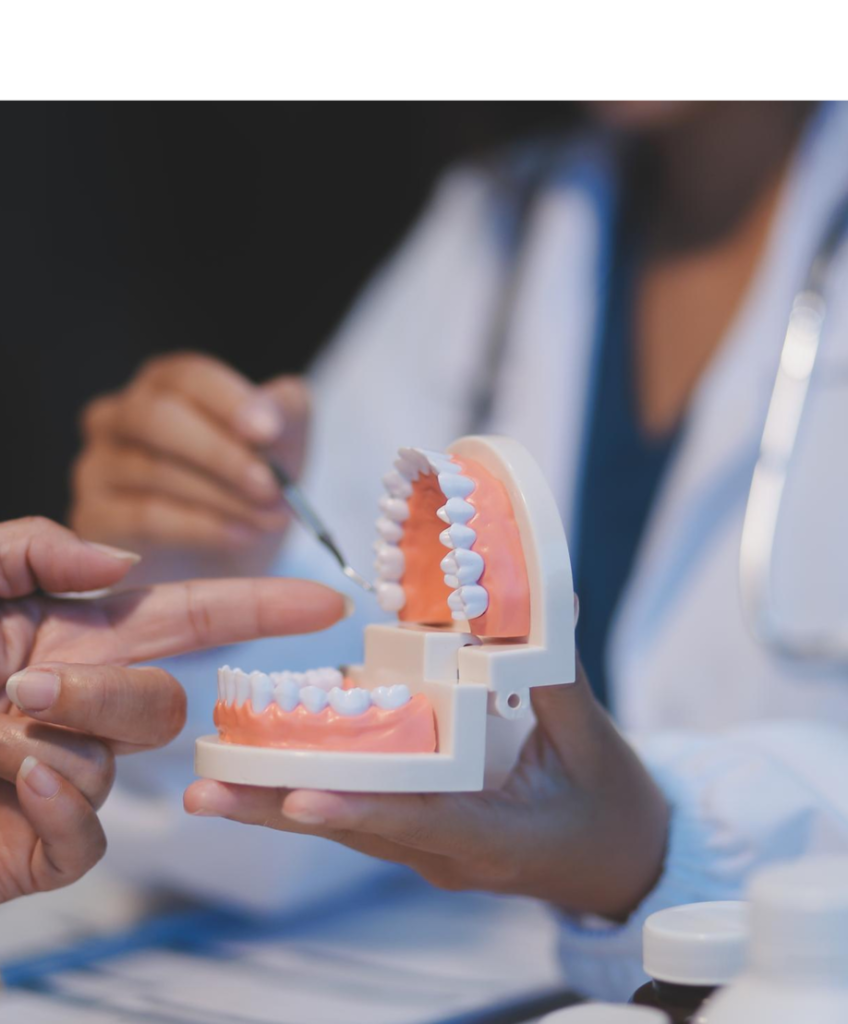
How a Dental Implant Is Built
A dental implant is placed in the jawbone to take over the job of the missing tooth’s root.
Connecting parts and a prosthetic tooth made for the patient are fitted on top of the implant, with the aim of creating something close to a natural tooth in look and function.
So the tooth we call an “implant” in daily life is really a system made up of the implant, the connecting parts and the prosthetic restoration.
Treatment Planned for You
Every patient’s bone, missing-tooth area and mouth are different. That is why implant treatment follows a plan made for the individual patient, not a standard routine.
After a clinical examination and X-ray imaging, the dentist can decide the implant’s position, diameter and length, and the prosthetic solution to be used.
Today, digital technology helps make this planning more detailed.
Digital Implant Planning
Digital dentistry can be used at many stages of implant treatment.
3D imaging shows the bone structure, intraoral scanners take a digital impression of the teeth and surrounding tissue, and the planned implant position can be checked on a computer.
The MODE DigitAll® approach brings together solutions that keep digital scanning, planning and prosthetic workflows working in step with each other.
For the patient, this can mean more comfortable impressions and a treatment that is planned in more detail beforehand.
The Implant Procedure and Comfort
Implants are usually placed under local anaesthesia, which aims to keep pain under control during the procedure.
Mild swelling, sensitivity or discomfort may occur in the first few days. How much depends on the extent of the procedure and on how each person heals.
After treatment, it is important to follow your dentist’s care and medication advice.
How Long Implant Treatment Takes

Placing the implant surgically and completing the whole treatment are two different things.
After the implant is placed, the bone around it may need time to heal. This period depends on bone quality, where the implant is placed, the treatment method and the patient’s general health.
That is why the total length of implant treatment has to be assessed for each patient.
Same-Day Temporary Teeth
In some suitable cases, a temporary tooth can be fitted on the day the implant is placed or shortly afterwards.
Whether this is possible depends on several factors assessed together, including the bone structure, the implant’s initial stability and the planned treatment.
Not every patient is suitable for same-day loading.
The Role of Bone in Treatment
Having enough bone volume is one of the important factors in placing an implant correctly in the jawbone.
Not having enough bone does not always mean implant treatment is impossible. For suitable patients, bone augmentation or other surgical approaches can be considered.
The method used is decided after clinical and X-ray examination.
Why the Implant Material Matters

Once placed, a dental implant is a medical device that stays in contact with the body for a long time, so the material it is made from is an important criterion.
Titanium is one of the most widely used materials in dental implantology because of its biocompatibility and mechanical properties.
MODE Implant systems use CP Grade 4 titanium, which is used in implant manufacturing without aluminium or vanadium.
The Implant Surface and Bone Contact
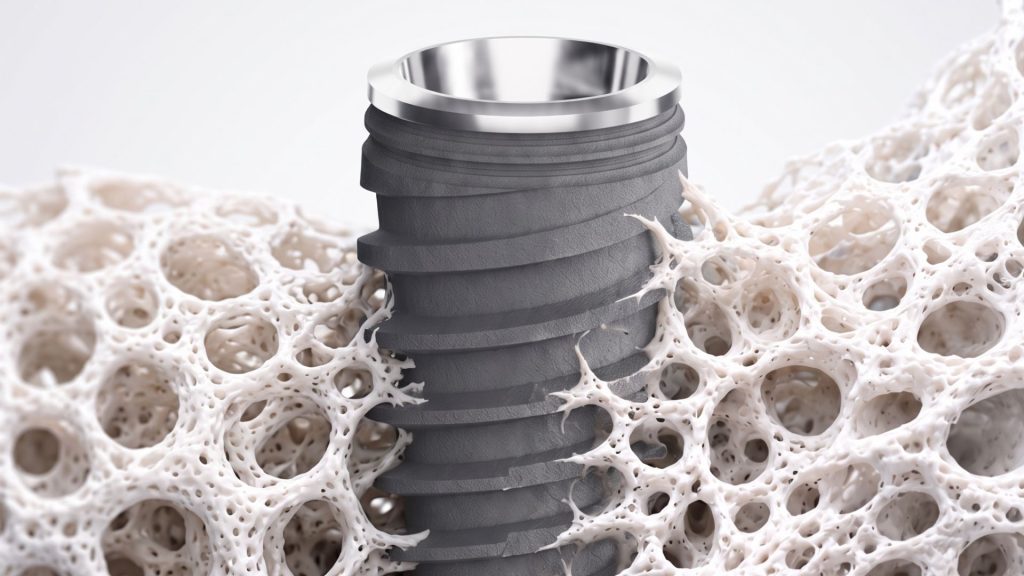
Once the implant is placed, its surface is where the bone makes direct contact.
The surface is where the implant and the surrounding bone interact, so it does more than set the implant’s appearance.
The structure of the implant surface and how it is made are major areas of research in modern implant technology.
PURE SURFACE and Surface Technology
PURE SURFACE, part of MODE Implant’s PURE TECH approach, focuses on how the implant surface is produced.
The surface technology uses a calcium phosphate and hydroxyapatite based structure, and the surface is created without using acid.
The aim is to produce the surface that meets the bone in a controlled way from the start of manufacturing.
What Does an Implant Touch While It Is Being Made?
People often pay attention to an implant’s diameter, length or brand. How the implant was made before it reached the clinic matters too.
In metal machining, different cutting fluids can be used to control the heat and friction between the cutting tool and the material.
MODE Implant’s PURE WATER manufacturing approach uses pure water technology during CNC machining instead of conventional industrial cutting oils.
The aim is to keep the implant surface under a controlled process from the very first stage of production.
The PURE TECH Manufacturing Approach
 MODE Implant groups the material, machining and surface stages of implant manufacturing into three areas under its PURE TECH approach:
Pure Titanium
Material choice with CP Grade 4 titanium.
Pure Water
Pure water technology in the CNC manufacturing process.
Pure Surface
A calcium phosphate and hydroxyapatite based implant surface created without acid.
The approach covers the whole manufacturing process, from the first stage of production to the surface that will touch the bone, as well as the finished implant.
What to Consider When Choosing an Implant
A dental implant should not be chosen on brand name alone.
The implant material, surface technology, implant-abutment connection, manufacturing standards, product traceability, quality control and the long-term availability of prosthetic parts all need to be weighed together.
Your dentist decides which implant system suits you after a clinical assessment.
Eating After an Implant
In the first days after the procedure, soft foods that do not put strain on the surgical area may be recommended.
You may need to avoid very hot or hard foods, or anything that presses on the treated area, for a while.
When you can eat normally again depends on the extent of the procedure, so follow your dentist’s advice.
Daily Care for Implants
Oral hygiene is very important for the long-term care of dental implants.
The prosthetic tooth on an implant does not decay like a natural tooth, but the gum and bone around the implant still need to stay healthy.
Regular brushing, cleaning between the teeth and using the oral care products your dentist recommends all help protect the tissue around the implant.
Water Flossers and Other Cleaning Aids
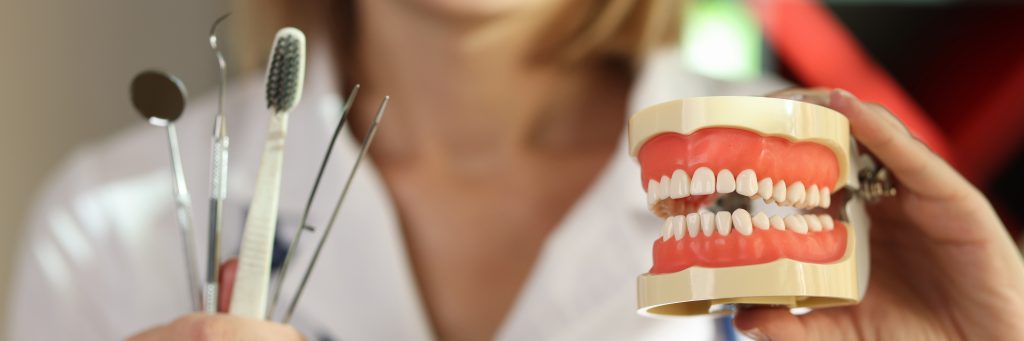
Besides a regular toothbrush, other products can help clean the areas around implants.
Interdental brushes, floss or a water flosser can be chosen depending on the prosthesis and the person’s oral health.
For patients with several implants or a full-arch implant prosthesis, it is especially important that the dentist shows the right way to clean.
Smoking and Implant Treatment
Smoking can affect healing in the mouth and the health of the tissue around the implant.
Patients planning implant treatment should tell their dentist if they smoke and follow the advice given, especially during the healing period.
Signs to Watch for Around an Implant
Regular check-ups should continue after implant treatment is finished.
See your dentist if you notice anything unusual around the implant, such as ongoing bleeding, swelling, pain, a bad smell, or a feeling that the prosthesis or implant is moving.
Having problems checked early is important for keeping the tissue around the implant healthy.
Implant Treatment Is a Long-Term Process
Dental implant treatment is more than the day of surgery.
Planning, the implant material and surface, manufacturing technology, the digital workflow, surgery, the prosthetic stage and long-term care all have to be considered together.
Having accurate information and planning the whole process with your dentist helps you approach implant treatment with more confidence.
A look at the first consultation
Common questions about this topic
Is implant treatment painful?
The procedure is usually done under local anaesthesia, so pain is kept under control during treatment. Sensitivity and swelling afterwards vary from person to person.
How long does implant treatment take?
It depends on where the implant goes, the bone structure and the planned prosthesis. Placing the implant and completing the whole treatment can take different amounts of time.
Can a tooth be fitted straight after the implant is placed?
In suitable cases, a temporary tooth can be fitted the same day or shortly after. Whether this is possible depends on the implant’s stability and the bone structure.
Is there an age limit for implant treatment?
What matters is general health and whether jaw growth is complete, not age alone. Older age by itself does not rule out implant treatment.
Does the implant brand matter?
The implant system’s material, surface technology, manufacturing standards, connection design and long-term technical support all matter. Your dentist should choose the right system for you after a clinical assessment.
Are implants brushed like normal teeth?
Teeth on implants and the area around them should be cleaned regularly. Along with brushing, you can clean between the teeth and use the care products your dentist recommends.
Does smoking affect implant treatment?
Smoking can harm healing in the mouth and the health of the tissue around the implant. Always tell your dentist if you smoke before treatment.
This content is for general information. Your dentist decides the treatment and care plan that suits you.